
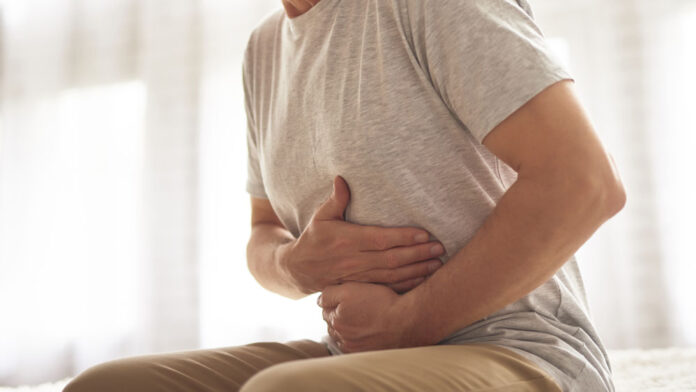
Many people search for “diverticulitis poop images” because stool changes are often one of the first noticeable signs of digestive trouble. While photos online can provide general examples, they should never replace a medical evaluation. Changes in bowel movements can happen for many reasons, including infections, hemorrhoids, irritable bowel syndrome, colon inflammation, or diverticulitis.
Diverticulitis occurs when small pouches in the colon wall, called diverticula, become inflamed or infected. Along with abdominal pain and bloating, the condition may cause constipation, diarrhea, mucus, narrow stools, or blood in the stool. Understanding what these changes can look like may help people recognize when it is time to seek medical care. This guide explains common stool changes linked to diverticulitis, what doctors look for, and when symptoms may signal a more serious problem.
What Is Diverticulitis?
Diverticulitis develops from diverticulosis, a condition where small pouches form in weak areas of the colon wall. Diverticulosis itself is very common, especially in adults over 50, and often causes no symptoms at all. Problems begin when one or more pouches become inflamed or infected.
The condition can range from mild to severe. Some people experience temporary digestive discomfort, while others may develop complications such as abscesses, bowel obstruction, or bleeding. Common symptoms include lower abdominal pain, fever, nausea, constipation, diarrhea, and changes in stool appearance.
Why Stool Changes Happen
Inflammation inside the colon affects how waste moves through the digestive tract. When the bowel becomes irritated or swollen, stool consistency and shape can change noticeably.
Some people develop constipation because stool moves more slowly through the colon. Others experience diarrhea because inflammation disrupts water absorption. In more severe cases, swelling may temporarily narrow the colon, leading to thinner or ribbon-like stools.
Can Stool Alone Diagnose Diverticulitis?
No. Stool appearance by itself cannot confirm diverticulitis. Many gastrointestinal conditions produce similar changes, including inflammatory bowel disease, colon infections, colorectal cancer, and hemorrhoids.
Doctors usually diagnose diverticulitis using symptoms, physical examination, blood tests, and imaging studies such as a CT scan. Stool changes are simply one clue among many.
What Diverticulitis Stool May Look Like
People searching for diverticulitis poop images are usually trying to compare symptoms with what they are seeing in the bathroom. Although every case is different, certain patterns are commonly reported.
Constipation and Hard Pellet-Like Stool
One of the most common bowel changes is constipation. Stool may appear dry, hard, or broken into small pellet-like pieces. This happens because inflammation slows movement through the colon, allowing stool to lose more water before passing.
Constipation can also increase pressure inside the colon, which may worsen discomfort. Straining during bowel movements sometimes leads to rectal irritation or minor bleeding. Persistent constipation with severe pain should always be evaluated by a healthcare professional.
Diarrhea and Loose Stool
Not everyone with diverticulitis becomes constipated. Some experience loose stools or diarrhea, especially during active inflammation. The stool may appear watery, soft, or urgent.
Diarrhea during diverticulitis can sometimes alternate with constipation. This back-and-forth pattern happens because irritated bowel muscles may spasm unpredictably. If diarrhea becomes severe or is accompanied by fever and dehydration, medical attention is important.
Narrow or Ribbon-Like Stool
Inflammation can temporarily narrow part of the colon. When this happens, stool may appear thin, flattened, or ribbon-shaped.
Occasional narrow stool is not always dangerous, but persistent changes should not be ignored. Colon narrowing may also occur with more serious conditions, including colorectal cancer. Doctors often recommend further evaluation if stool shape changes continue for weeks.
Blood in the Stool
Blood is one of the most alarming symptoms associated with diverticular disease. It may appear as:
- Bright red blood on toilet paper
- Maroon-colored stool
- Black or tarry stool
- Blood mixed into bowel movements
Bleeding can happen when blood vessels near diverticula become irritated or rupture. However, rectal bleeding should never automatically be blamed on diverticulitis because colon cancer, hemorrhoids, and inflammatory bowel disease can cause similar symptoms.
Mucus in Stool
Some people notice a jelly-like or slimy substance mixed with stool. Mild mucus can occur when the colon lining becomes inflamed.
Small amounts of mucus are not always serious, but persistent mucus together with abdominal pain, fever, or bleeding deserves medical evaluation. It may point toward infection or ongoing intestinal inflammation.
Symptoms That Often Appear Alongside Stool Changes
Diverticulitis rarely causes stool changes alone. Most people also develop other digestive or systemic symptoms.
Lower Left Abdominal Pain
Pain in the lower left side of the abdomen is considered one of the hallmark symptoms. The discomfort may begin suddenly or gradually worsen over time.
Many patients describe the pain as cramping, sharp, or constant. Eating sometimes makes symptoms worse, while passing gas or stool may temporarily relieve pressure.
Fever and Nausea
Because diverticulitis involves inflammation or infection, fever is relatively common. Some people also feel nauseated, fatigued, or lose their appetite.
These symptoms often help doctors distinguish diverticulitis from less serious digestive issues such as temporary constipation or dietary upset. Fever combined with abdominal pain and bowel changes should never be ignored.
Bloating and Gas
Inflammation inside the colon may slow digestion and increase trapped gas. This can create bloating, pressure, and visible abdominal swelling.
For some patients, bloating becomes especially uncomfortable after meals. Severe swelling or inability to pass gas may suggest bowel obstruction and requires urgent medical care.
When Stool Changes Could Signal an Emergency
Not every bowel change requires emergency treatment, but certain symptoms should prompt immediate medical attention.
Heavy Rectal Bleeding
Large amounts of blood in stool, black tar-like bowel movements, or dizziness from blood loss may indicate significant intestinal bleeding.
Diverticular bleeding can occasionally become severe enough to require hospitalization. Rapid medical evaluation is essential if bleeding is heavy or persistent.
Severe Abdominal Pain With Fever
Intense abdominal pain together with fever, vomiting, or inability to pass stool may suggest complications such as abscess, perforation, or bowel obstruction.
These complications can become life-threatening without treatment. Doctors may recommend imaging tests, intravenous antibiotics, or surgery in severe cases.
Persistent Thin Stool
Ongoing narrow stool should always be investigated, especially if it occurs with unexplained weight loss, fatigue, or bleeding.
While inflammation can temporarily change stool shape, persistent narrowing sometimes points toward structural blockage or colorectal disease that needs further testing.
How Doctors Diagnose Diverticulitis
Healthcare providers usually combine several tools to confirm the diagnosis.
Physical Examination and Medical History
Doctors often begin by asking about abdominal pain, fever, bowel habits, and stool appearance. Tenderness in the lower abdomen may raise suspicion for diverticulitis.
Because symptoms overlap with many other digestive disorders, additional testing is usually necessary.
CT Scans and Imaging
CT scanning is one of the most common ways to confirm diverticulitis. Imaging helps doctors identify inflammation, infection, abscesses, or complications in the colon.
Colonoscopy is generally avoided during an active flare because inflamed tissue can be fragile. It may be recommended later after symptoms improve.
Blood and Stool Testing
Blood tests may show signs of infection or inflammation. In some cases, stool testing helps rule out bacterial infections or gastrointestinal bleeding.
These tests help doctors separate diverticulitis from conditions with similar symptoms.
Treatment and Recovery
Treatment depends on symptom severity and whether complications are present.
Dietary Adjustments During a Flare
For mild diverticulitis, doctors sometimes recommend a temporary clear liquid or low-fiber diet to allow the colon to rest.
As symptoms improve, patients gradually return to regular foods and may later increase fiber intake to support long-term colon health. Read about how old is cam wilder
Medications and Antibiotics
Some patients recover with rest and dietary changes alone, while others need antibiotics for infection control.
Pain management, hydration, and monitoring for complications are also important parts of treatment.
Surgery for Complicated Cases
Surgery may become necessary if diverticulitis causes perforation, fistulas, repeated infections, or severe bleeding.
Modern surgical treatment often removes the damaged portion of the colon while preserving healthy bowel tissue whenever possible.
FAQ
Q: What does diverticulitis poop usually look like?
A: Stool changes vary widely. Some people develop hard pellet-like stool from constipation, while others experience diarrhea, narrow stool, mucus, or blood. Stool appearance alone cannot confirm diverticulitis because many digestive conditions cause similar symptoms.
Q: Can diverticulitis cause black stool?
A: Yes, black or tarry stool may occur if bleeding happens higher in the digestive tract. However, black stool can also result from ulcers, medications, or other gastrointestinal bleeding disorders, so medical evaluation is important.
Q: Is blood in stool common with diverticulitis?
A: Blood can occur, especially when diverticula bleed or become irritated. Bright red blood, maroon stool, or blood mixed into bowel movements should always be checked by a healthcare provider because other serious conditions may also cause bleeding.
Q: When should I see a doctor for stool changes?
A: Seek medical care if stool changes are persistent or occur with abdominal pain, fever, vomiting, severe constipation, unexplained weight loss, or rectal bleeding. Emergency care may be needed for heavy bleeding or severe pain.
Q: Can diet improve diverticulitis symptoms?
A: During flare-ups, doctors may recommend temporary dietary changes such as clear liquids or low-fiber foods. After recovery, a balanced high-fiber diet is often encouraged to support digestive health and reduce constipation.
Conclusion
Searching for diverticulitis poop images is often driven by concern over sudden bowel changes, abdominal discomfort, or rectal bleeding. While stool appearance can provide useful clues, it should never be used alone to diagnose diverticulitis. The condition commonly causes constipation, diarrhea, narrow stool, mucus, or blood, but many other digestive disorders can look similar.
The most important step is paying attention to the full picture, including pain, fever, bloating, and changes in bowel habits. Early medical evaluation can help prevent complications and ensure proper treatment. If symptoms become severe or persistent, speaking with a healthcare professional is the safest and most reliable next step.
Read more about: What Does Poop Look Like With Diverticulitis
Read more about: Is Drew Pritchard Still Married? The Truth About His Relationship Status
Read more about: Masoud Shojaee: The Real Estate Developer Behind Shoma Group
Read more about: Gavin Adcock Age: How Old Is the Rising Country Star?