
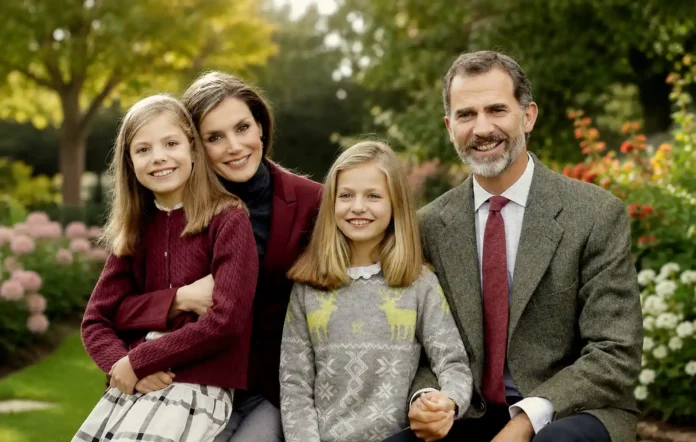
The Spanish royal family remains one of Europe’s most recognized royal households. Led by King Felipe VI, the monarchy represents centuries of Spanish history while adapting to the expectations of a modern constitutional democracy. From royal traditions and state ceremonies to the growing public role of Princess Leonor, the family continues to attract attention both in Spain and around the world.
Today, the Spanish monarchy serves primarily as a symbolic and constitutional institution rather than a governing power. The royal family promotes national unity, represents Spain internationally, and participates in charitable, cultural, and diplomatic activities. Understanding its history, key members, and current role provides valuable insight into one of Europe’s most influential royal institutions.
The History of the Spanish Royal Family
Origins of the Spanish Monarchy
The roots of the Spanish monarchy stretch back centuries, long before the formation of modern Spain. The union of the crowns of Castile and Aragon through the marriage of Queen Isabella I and King Ferdinand II helped lay the foundations for the Spanish state.
Over time, various royal houses ruled Spain, but the House of Bourbon became the dominant dynasty after the accession of King Philip V in 1700. The Bourbons have remained closely associated with the Spanish Crown ever since, despite periods of political upheaval and temporary interruptions to monarchical rule.
The Monarchy in the Modern Era
The Spanish monarchy experienced significant changes during the twentieth century. Following political turmoil and civil conflict, the monarchy was restored after the death of Francisco Franco in 1975.
King Juan Carlos I played a major role in Spain’s transition to democracy and helped establish the constitutional framework that defines the monarchy today. His reign marked a period of modernization and international engagement for Spain.
Transition to King Felipe VI
In June 2014, King Juan Carlos I abdicated the throne, and his son, King Felipe VI, became monarch. The transition signaled a new chapter focused on transparency, institutional stability, and public trust.
Since assuming the throne, Felipe VI has sought to strengthen the monarchy’s reputation and maintain its relevance within contemporary Spanish society.
Who Are the Current Members of the Spanish Royal Family?
King Felipe VI
Felipe VI is the current King of Spain and head of state. Born in 1968, he is the son of King Juan Carlos I and Queen Sofía. Before becoming king, Felipe spent decades preparing for the role through military training, academic study, and diplomatic responsibilities.
As monarch, he represents Spain at official events, receives foreign leaders, and performs constitutional duties. Although political power rests with elected institutions, the king serves as an important symbol of national continuity and unity.
Queen Letizia
Letizia Ortiz Rocasolano became Queen of Spain upon her husband’s accession to the throne in 2014. Before joining the royal family, she built a successful career as a journalist and television news presenter.
Her professional background helped make her one of Europe’s most modern royal figures. Queen Letizia is particularly known for her work supporting education, health initiatives, culture, and social causes throughout Spain and abroad.
Princess Leonor
Leonor, Princess of Asturias is the heir apparent to the Spanish throne and the elder daughter of King Felipe VI and Queen Letizia.
Born in 2005, Leonor has increasingly taken on public responsibilities as she prepares for her future role as queen. She has undergone military training and formally swore allegiance to the Spanish Constitution upon reaching adulthood. Recent milestones include becoming the first member of the Spanish royal family to qualify as a paratrooper during her military education.
Infanta Sofía
Infanta Sofía of Spain is the younger daughter of the king and queen and is second in the line of succession.
Although she is not the direct heir, Sofía has gradually increased her participation in official engagements. Her education and public appearances reflect the royal family’s effort to prepare younger members for future responsibilities supporting the Crown.
The Role of the Spanish Royal Family Today
Constitutional Responsibilities
Spain is a constitutional monarchy, meaning the king’s powers are defined and limited by the Constitution. Political authority belongs to elected officials and government institutions.
The monarch’s responsibilities include formally appointing governments, sanctioning laws passed by parliament, receiving ambassadors, and representing Spain during state visits. These duties are largely ceremonial but remain important for the functioning of the state.
National Representation
Members of the royal family frequently attend cultural, diplomatic, and commemorative events throughout Spain. Their presence often highlights important national celebrations, anniversaries, and charitable initiatives.
Internationally, royal visits help strengthen diplomatic relationships and promote Spain’s interests abroad. Events involving foreign royal families and heads of state continue to be a key part of the monarchy’s public role.
Public Service and Charity Work
The Spanish royal family supports numerous foundations, educational programs, and social initiatives. Their patronage brings visibility to issues ranging from youth development and healthcare to cultural preservation.
Princess Leonor and Infanta Sofía have also begun participating in more public events, reflecting the monarchy’s long-term commitment to public service and institutional continuity.
The Line of Succession
Princess Leonor’s Future
As Princess of Asturias, Leonor is first in line to inherit the throne. Her education, military training, and public engagements are all part of a carefully structured preparation process.
Many observers view her as the future face of the Spanish monarchy. If she eventually succeeds her father, she would become Spain’s first reigning queen in more than a century.
Infanta Sofía’s Position
Sofía follows her sister in the line of succession. While she is unlikely to become monarch under normal circumstances, she is expected to play an important supporting role within the institution.
Like many younger royals across Europe, she represents a new generation that balances tradition with contemporary expectations.
Extended Royal Family
The broader Spanish royal family includes former King Juan Carlos I, Queen Sofía, Infanta Elena, Infanta Cristina, and other relatives connected to the Bourbon dynasty.
However, the public-facing institution has become more streamlined in recent years, with official representation largely centered on King Felipe VI, Queen Letizia, Princess Leonor, and Infanta Sofía.
Why the Spanish Royal Family Remains Important
A Symbol of Continuity
Supporters of the monarchy argue that it provides stability beyond political cycles. Because the king does not belong to a political party, the Crown can serve as a unifying symbol during periods of national change.
This symbolic role has become one of the monarchy’s most important functions in modern Spain.
Connection to Spanish Heritage
The royal family is deeply connected to Spain’s historical identity. Royal ceremonies, palaces, traditions, and state occasions help preserve cultural heritage while showcasing Spain’s history to international audiences.
For many Spaniards, the monarchy represents a living link between the country’s past and present.
Global Interest and Influence
Like other European royal families, Spain’s royals attract significant media attention. Public interest often focuses on state events, royal fashion, diplomatic engagements, and the future role of Princess Leonor.
As younger members assume greater responsibilities, global fascination with the Spanish monarchy is likely to continue. This international curiosity mirrors the widespread attention paid to other European monarchies, such as the British royal family following the Charles and Camilla wedding.
FAQ
Q: Who is the current king of Spain?
A: The current king is Felipe VI, who became monarch in June 2014 after the abdication of his father, King Juan Carlos I. He serves as Spain’s constitutional head of state and represents the country at official national and international events.
Q: Who will be the next monarch of Spain?
A: Princess Leonor, the Princess of Asturias, is first in the line of succession and is expected to become Spain’s future queen. She is currently undergoing education and training designed to prepare her for that role.
Q: Is Spain still a monarchy?
A: Yes. Spain is a constitutional monarchy. The king serves as head of state, while elected officials and parliament exercise political power under the Spanish Constitution.
Q: Who is Queen Letizia?
A: Queen Letizia is the wife of King Felipe VI. Before joining the royal family, she worked as a respected journalist and television news presenter. She became queen consort when Felipe VI ascended the throne in 2014.
Q: What is the House of Bourbon?
A: The House of Bourbon is the royal dynasty that has ruled Spain for most of the period since 1700. The current Spanish royal family belongs to the Bourbon-Anjou branch of that historic house.
Conclusion
The Spanish royal family combines centuries of tradition with the realities of a modern constitutional monarchy. Under King Felipe VI and Queen Letizia, the institution has focused on public service, transparency, and national representation. At the same time, the emergence of Princess Leonor as heir to the throne has brought renewed attention to the monarchy’s future.
Whether viewed through the lens of history, politics, or culture, the Spanish monarchy continues to play a significant role in Spanish public life. As a new generation of royals steps forward, the institution remains an important symbol of continuity, heritage, and national identity.
Read more about: Hinge and Bracket :The Truth Behind the Famous Comedy Duo
Read more about: Charles and Camilla Wedding: Inside the Historic Royal Ceremony
Read more about: Suzy Miller: Career, Biography, Plays, and Personal Life
Read more about: Cainer: One of the World’s Best-Known Horoscope Brands
Read more about: Bob Marley Children: Meet the Reggae Legend’s Family
Read more about: Julio Iglesias Children: Meet the Singer’s Famous Family